
SMD, GOB, HOB, COB or MIP: The definitive guide to choosing the right LED technology for your project
The differences between SMD, GOB, HOB, COB and MIP encapsulation, and how to choose the right one for your project.
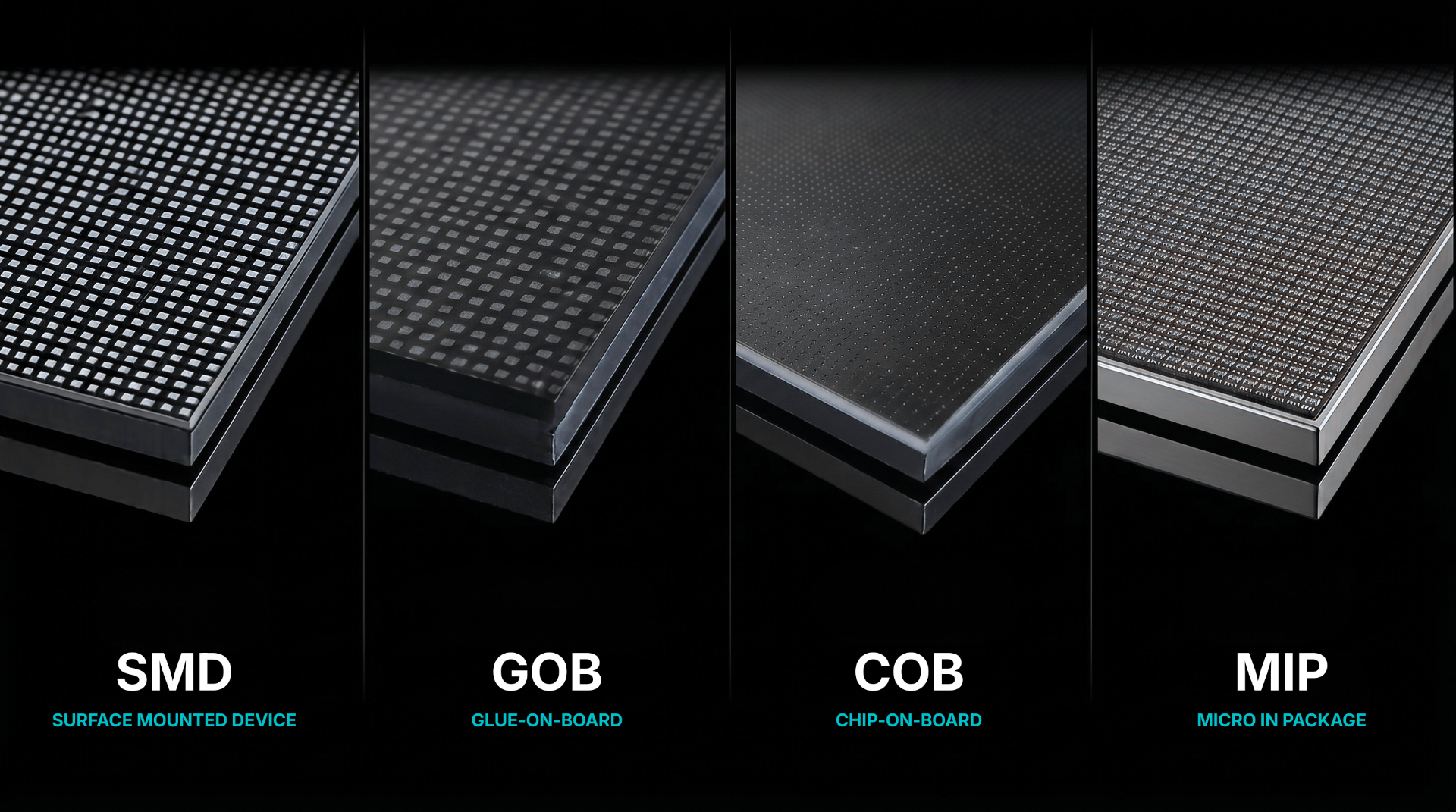
For years, the only question when buying an LED screen was: "What is its Pixel Pitch?" However, as screens become increasingly sharp and LED chips get smaller, the true key to durability and image quality lies in how that pixel is protected and assembled.
Choosing the wrong packaging technology can lead to maintenance issues, annoying color discrepancies, or breakages during installation. In this guide, we at TECCO break down the top five market options without the marketing jargon: just technical realities to help you decide.
1. SMD (Surface Mounted Device): The established standard
This is the most widespread and mature technology. In SMD encapsulation, the RGB chips are grouped into a single component soldered to the surface of the printed circuit board (PCB).
- Pros: Excellent color uniformity, a highly standardized manufacturing process (which reduces costs), and great ease of repair, as defective diodes can be replaced individually and quickly.
- Cons: The diodes are exposed. With very fine pixel pitches (under 1.5 mm), the solder is so minuscule that a simple brush against it during installation can knock the LED off.
- Ideal use: Standard indoor screens, retail spaces, auditoriums, and projects where the viewer does not have physical access to touch the screen.
2. GOB (Glue On Board): The protective shield
GOB takes a traditional SMD screen and coats the entire surface with an advanced transparent optical polymer.
- Pros: It transforms the screen surface into a solid block. It offers an incredibly high level of protection against impacts, dust, moisture, and scratches (anti-collision).
- Cons: The resin layer makes individual diode-level repairs more complex, and if the thermal engineering is not perfect, it can dissipate heat less effectively than an exposed SMD.
- Ideal use: Interactive screens, high-traffic corridors, train stations, or any environment where the public might accidentally touch or bump the surface.
3. HOB (Hot Melt On Board): The Smart Alternative to COB
HOB represents the perfect evolution from GOB. It uses an advanced optical coating process (often utilizing hot-melt technology or nanomaterials) that seals the SMD module but with a specialized matte finish.
- Pros: It solves the main problem of GOB by eliminating surface reflections. It drastically increases the contrast ratio and the depth of blacks. Most importantly, it offers a premium visual experience very close to COB technology, but at a much more accessible price point.
- Cons: Like GOB, it requires specialized machinery for repairs if a diode fails, although its level of protection keeps the failure rate minimal.
- Ideal use: Auditoriums, high-level boardrooms, and corporate installations that demand spectacular contrast and a premium aesthetic, but with an optimized budget.
4. COB (Chip On Board): High density and pure blacks
COB technology does away with individual packaging. The LED chips are mounted directly onto the PCB and then covered together with a protective layer.
- Pros: It allows for pixel pitches below 0.9 mm, which are impossible for SMD. It offers spectacular contrast, pure blacks, a wider viewing angle and excellent thermal dissipation. Furthermore, being sealed, it is highly resistant to splashes and impacts.
- Cons: The manufacturing cost is higher. Moreover, achieving perfect colour uniformity between different manufacturing batches is a complex technical challenge.
- Ideal use: Auditoriums, critical control rooms, television studios (Broadcast), luxury home cinemas and high-end corporate meeting rooms.
5. MIP (Micro LED in Package): The hybrid future
MIP is the cutting-edge technology that aims to combine the best of SMD and COB. It solves COB's colour issue while retaining its high-resolution advantages. Essentially, it involves individually encapsulating microscopic MicroLED chips before they are soldered onto the board.
- Pros: As they can be tested and sorted before being soldered to the board, MIP ensures unsurpassed colour uniformity (COB's major drawback). It enables extreme resolutions while maintaining the possibility of modular repair.
- Cons: It is the newest technology, so its current cost is premium and it is reserved for very specific projects.
- Ideal use: Highly innovative projects, immersive simulation and screens that require flawless colour calibration with an ultra-fine pitch.
Engineering advice from TeccoAV
There is no single "best" technology in absolute terms; it all depends on the application, viewing distance and operating environment.
At TeccoAV, we are more than just a hardware supplier. Our team of engineers analyses your project's variables (ambient light, foot traffic, colorimetry requirements and budget) to prescribe and manufacture the exact LED solution that guarantees the highest return on investment and the lowest rate of technical failures.
Don't miss the next Insight
Subscribe to TECCO Insights on LinkedIn and get our analysis on LED, digital signage and immersive experiences straight to your feed.
Subscribe on LinkedIn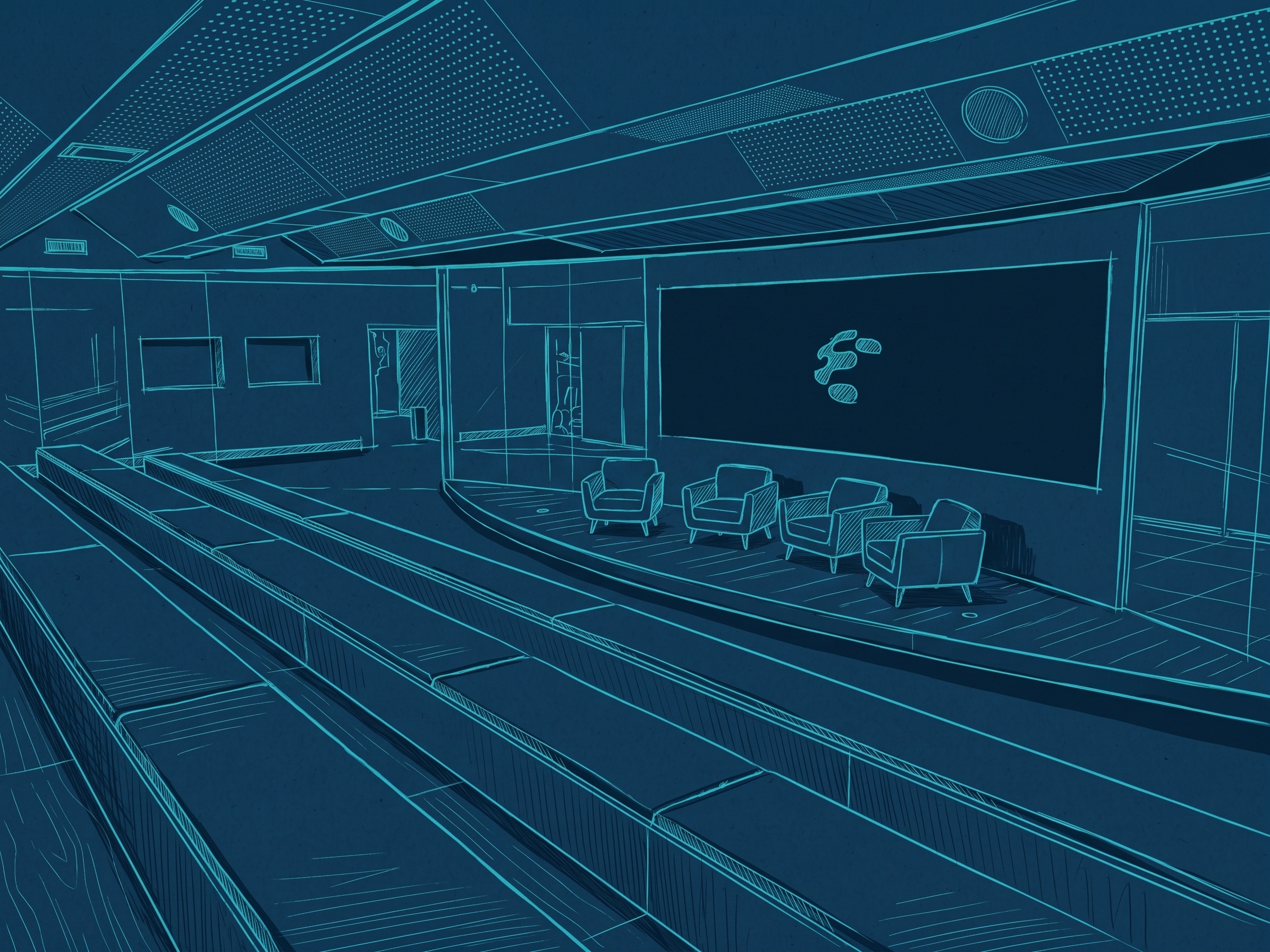
Invisible technology, real impact: The hidden engineering of a premium auditorium
In a corporate auditorium, visual excellence demands flawless audio. We explore how advanced audiovisual engineering integrates large-format displays, invisible microphones (beamforming), and automated control.
Read article →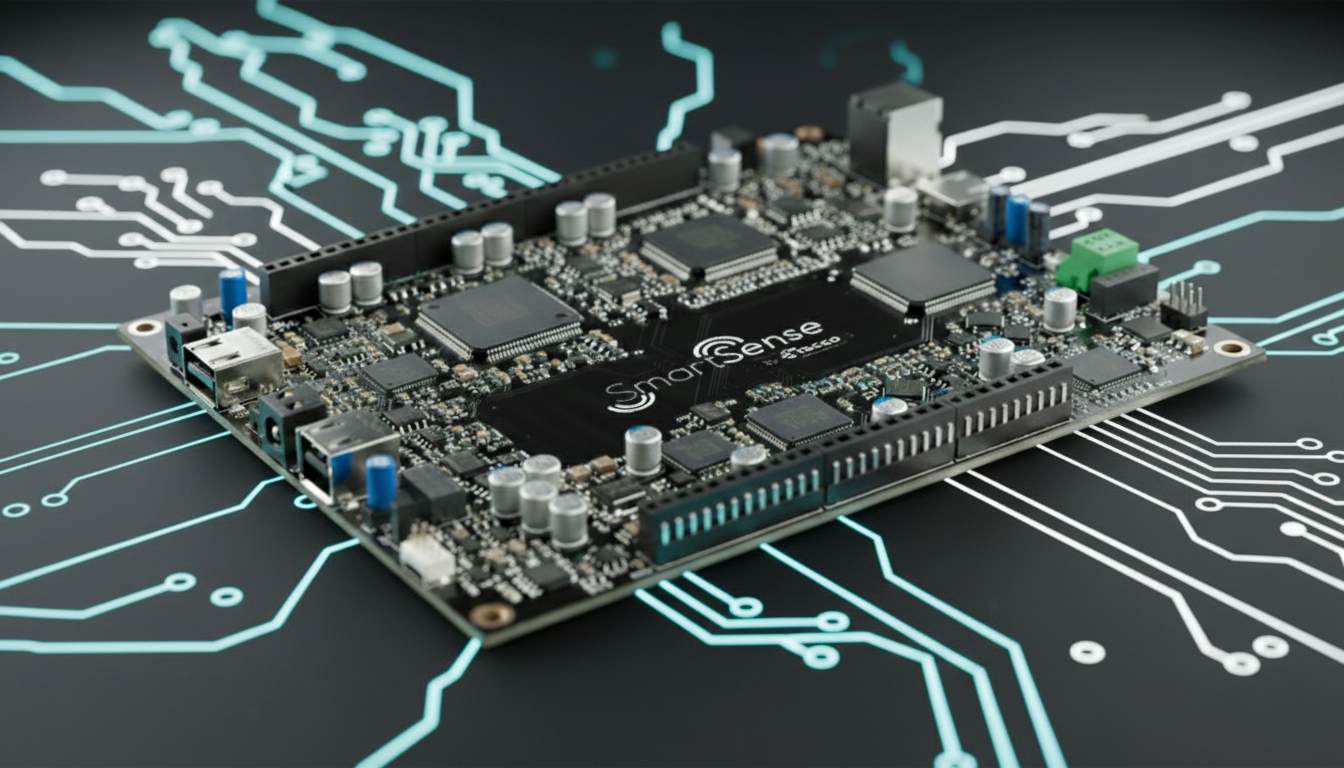
Total Control and Zero Surprises: The Revolution in DOOH Monitoring
How SmartSense, TECCO's proprietary IoT electronics, turns any DOOH display into a smart asset: real-time telemetry, configurable alerts, and tangible OPEX reduction.
Read article →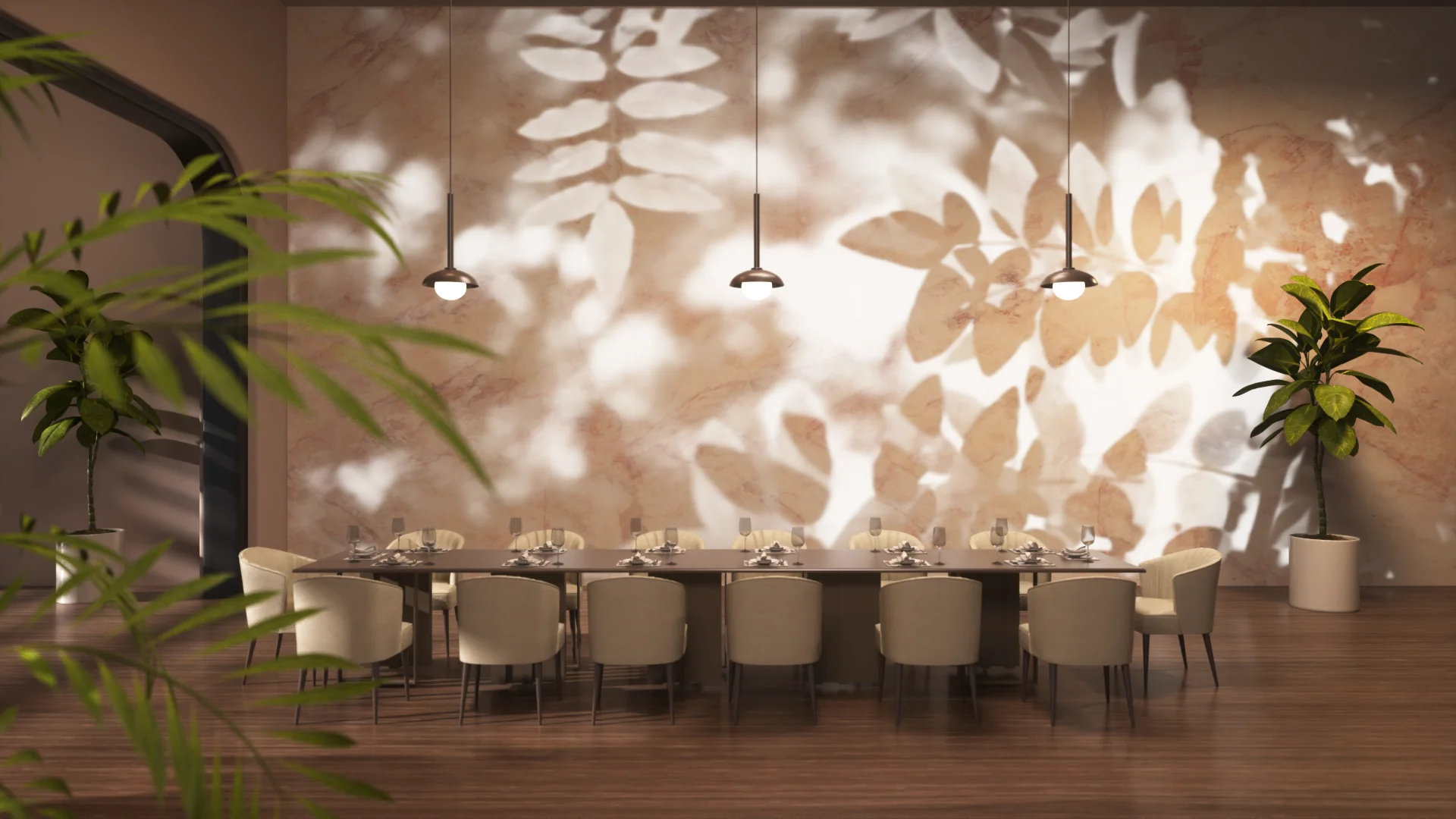
Materials That Come to Life: The Textured LED Screen Revolution in Interior Design
How CECOCECO's ArtMorph technology enables the integration of large-format LED screens into corporate, retail, and museum spaces without disrupting the aesthetic harmony of the design.
Read article →Want to apply this to your project?
Our engineering team replies within 24 hours with an initial proposal.
Let's talk →